
Emotional Cinematic Pivot: Reflecting on One Year of Lisa’s “Dream” Short Film
On August 13, 2025, Lisa unveiled the short film for “Dream,” one of the most emotionally resonant tracks from her debut solo album Alter Ego .
 f_bpluvPublished 15 Aug 2026·7 min read 36 views
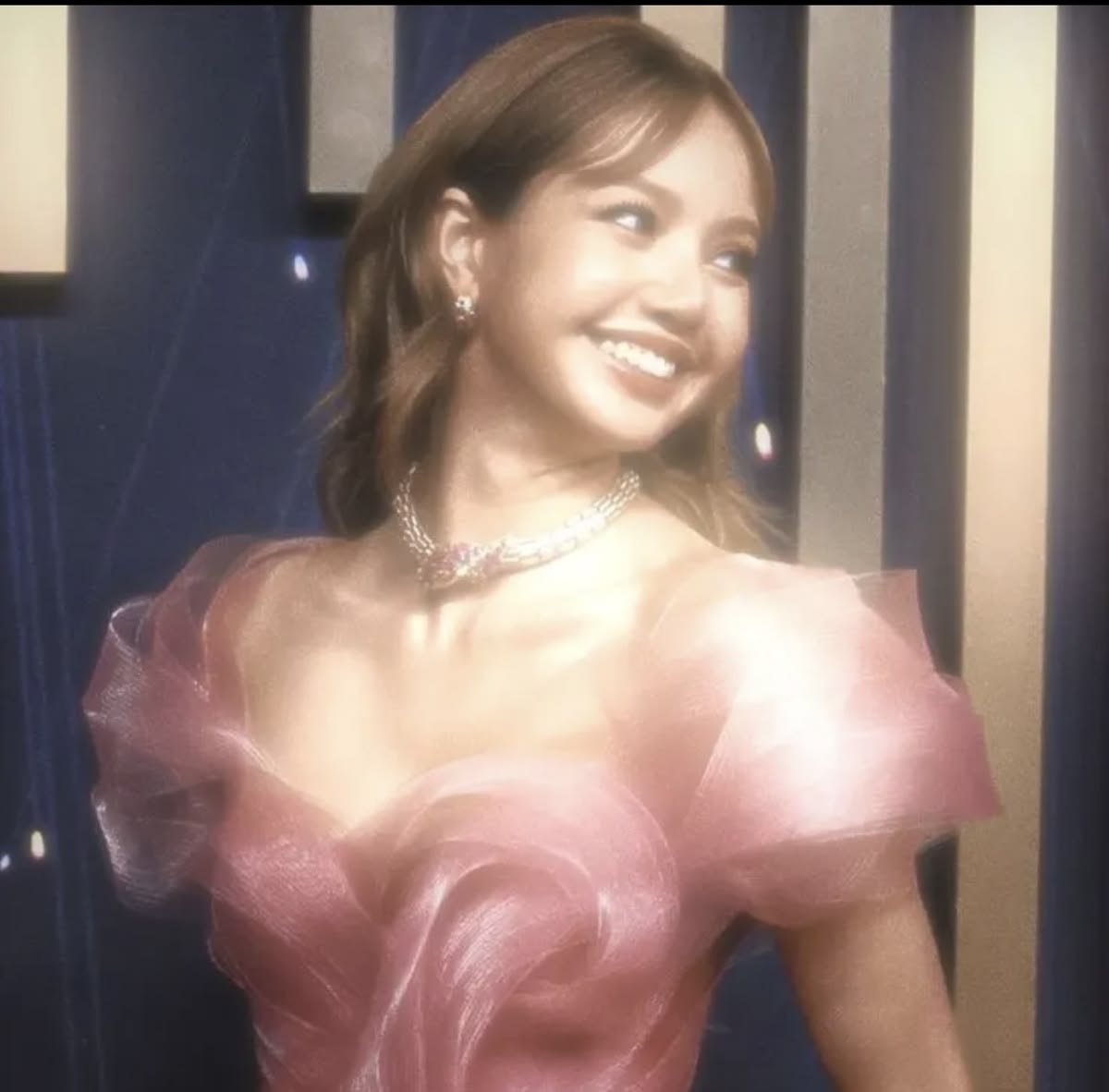
Lisa and Kentaro Sakaguchi share an emotional embrace in the short film for "Dream." · LLOUD Official / Ojun Kwon
On August 13, 2025, Lisa unveiled the short film for “Dream,” one of the most emotionally resonant tracks from her debut solo album Alter Ego .
On August 13, 2025, Lisa unveiled the short film for “Dream,” one of the most emotionally resonant tracks from her debut solo album Alter Ego. One year later, the five-minute cinematic piece remains a particularly memorable chapter in her artistic evolution, capturing a side of Lisa that audiences had rarely seen before.
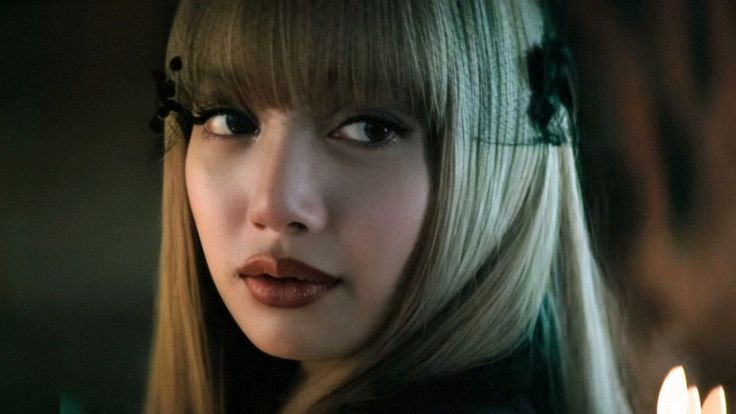
Directed by Ojun Kwon, the “Dream” short film represented a striking departure from the high-energy visual language that had defined much of Lisa’s solo career. Instead of explosive choreography, elaborate performance sets, and larger-than-life confidence, the film embraced silence, intimacy, vulnerability, and storytelling.
It was a visual pivot that allowed Lisa to step away from the image of the untouchable global superstar and instead portray someone experiencing love, memories, and heartbreak.
A Cinematic Collaboration
At the center of “Dream” was Lisa’s collaboration with acclaimed Japanese actor and model Kentaro Sakaguchi. Their onscreen chemistry became one of the short film’s strongest elements, giving the story a sense of warmth and emotional authenticity.
The narrative follows a relationship through its more tender moments before gradually moving toward separation. Rather than explaining every emotion through dialogue, the film relies heavily on expressions, gestures, atmosphere, and the chemistry between its two leads.
That understated approach is what gives “Dream” its cinematic quality.
The warm memories shared between the characters contrast sharply with the emotional distance that develops later. The result is a story that feels less like a traditional music video and more like a condensed romantic drama.
Lisa’s performance is particularly effective because she does not attempt to overplay the emotions. Her expressions remain subtle, allowing the audience to interpret what her character is feeling.
Lisa Steps Into a New Visual Language
Throughout her solo career, Lisa has frequently been associated with powerful choreography, striking fashion, energetic performances, and an unmistakable stage presence. “LALISA” emphasized confidence and identity, while “ROCKSTAR” pushed her toward an even more aggressive and globally oriented pop aesthetic.
“Dream” moved in the opposite direction.
There is no need for Lisa to dominate the screen through choreography. Instead, she occupies the frame as a character.
This distinction is important because it demonstrates that her appeal does not depend exclusively on performance intensity. Lisa can command attention simply through her presence, expressions, and ability to communicate emotion.
The short film therefore became an early indication of the broader artistic expansion that would follow.
A Glimpse of Lisa the Actress
“Dream” also carries additional significance because it arrived shortly before Lisa expanded her career into scripted television with her acting debut in The White Lotus.
Although the short film is fundamentally a music project rather than a traditional television or film role, it provided an early opportunity to see Lisa working within a narrative environment.
Instead of performing directly for the camera, she had to inhabit a character and communicate emotions within a story.
That required a different kind of performance.
Her work in “Dream” demonstrated an ability to move between emotional states without relying on words or choreography. The short film consequently feels like an important bridge between Lisa the performer and Lisa the actress.
It showed audiences that her artistic ambitions could extend beyond music videos and live stages.
The Soft Power of “Dream”
Musically, the track itself provided the perfect foundation for this cinematic experiment.
As one of the softer songs on Alter Ego, “Dream” allowed Lisa to explore a gentler vocal approach. Her breathy delivery creates an intimate atmosphere that contrasts sharply with the confidence and intensity associated with some of her biggest solo releases.
The song does not demand attention through sheer volume. Instead, it draws listeners into its emotional world.
That quality becomes even more powerful when paired with the short film.
The music and visuals work together rather than competing with each other. The restrained production allows the emotional story to remain at the center, while Lisa's vocals reinforce the sense of nostalgia and vulnerability.
It was a reminder that versatility is not simply about changing genres or aesthetics—it can also mean knowing when to become quieter.
Love, Nostalgia and Heartbreak
At its core, “Dream” is built around emotions that are universally recognizable.
Love can feel almost dreamlike when everything is going well. Memories can preserve moments long after a relationship has changed. And heartbreak often arrives not as one dramatic moment, but through the gradual realization that something once meaningful is no longer the same.
The short film captures those ideas through its visual progression.
The early scenes establish warmth and closeness, creating memories that make the later emotional shift more impactful. By allowing the relationship to develop before introducing separation, the film gives the audience a reason to become emotionally invested in the characters.
That structure is one of the reasons “Dream” feels more substantial than a conventional promotional music video.
It tells a complete emotional story within just a few minutes.
A Different Side of Lisa
Perhaps the most memorable aspect of “Dream” is how different Lisa feels within it.
The global pop star known for commanding massive stages is replaced by a more vulnerable figure. The fashion icon becomes part of a narrative. The performer becomes a character.
Yet the film never feels disconnected from Lisa's established identity.
Instead, it expands it.
Her charisma remains present, but it is expressed through restraint rather than spectacle. Her screen presence becomes softer without becoming weaker.
This distinction is crucial to understanding why the project has remained memorable.
“Dream” did not erase the Lisa audiences already knew. It added another dimension to her.
Global Attention and Fan Resonance
The release also generated renewed attention around the song itself, introducing “Dream” to audiences who may have initially focused on the more energetic tracks from Alter Ego.
The short film gave the song a visual identity that encouraged fans to revisit it and discuss its emotional narrative.
Its reception demonstrated the power of pairing music with storytelling. Rather than functioning simply as another promotional visual, “Dream” became an experience that a
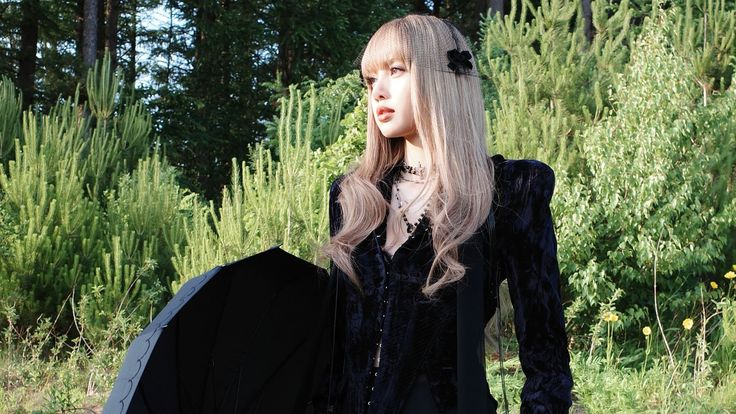
As the short film reaches its first anniversary, “Dream” stands as a beautiful snapshot of an artist in transition—one who was beginning to discover just how many different worlds she could inhabit.
From global pop star to solo musician, from performer to storyteller, and eventually to actress, Lisa's evolution has been defined by her willingness to explore.
“Dream” was one of the earliest and most emotionally striking glimpses of that evolution.
One year later, its message remains simple: sometimes the quietest chapter can reveal the most.
Your BLINK journey starts here
Play, collect cards, earn Sparks and join BLINKs worldwide.
Explore BLINKVERSE
Make your profile yours
Unlock frames, avatars and effects with Sparks.
Explore cosmetics


.jpg?alt=media&token=64eea3a6-7ac3-4da5-8cea-4f3715e87d68)


Comments
Join the conversation
Sign up for free to comment, like and interact with other BLINKs.